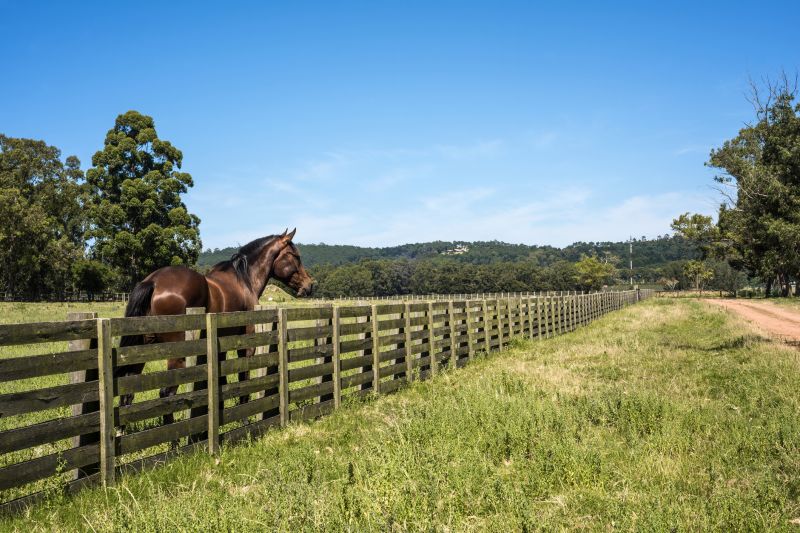
Equine Fence Installation in Pearland, TX
Equine fence installation services involve constructing secure and durable enclosures designed specifically for horses and other livestock. These projects typically include installing fencing around pastures, riding arenas, or property boundaries to ensure animals are safely contained while allowing for proper ventilation and visibility. Property owners may choose from various fencing materials such as wood, vinyl, or wire, depending on their needs, aesthetic preferences, and the terrain of their land. Understanding the different types of fencing options, their maintenance requirements, and how they fit with the property's layout can help homeowners make informed decisions before requesting installation services.
Before requesting equine fencing, property owners often want to know about the durability and safety features of different fencing materials, as well as the best practices for installation to prevent animals from escaping or injuring themselves. It’s also helpful to consider the size and shape of the area to be enclosed, as well as any local regulations or property restrictions that might influence the fencing design. Clear information about the scope of the project, including the type of fencing preferred and the property's characteristics, can assist in planning an effective and long-lasting enclosure for horses and livestock.
Many property owners in Pearland, TX look into Equine Fence Installation for repairs, replacements, upgrades, and appearance-related improvements.
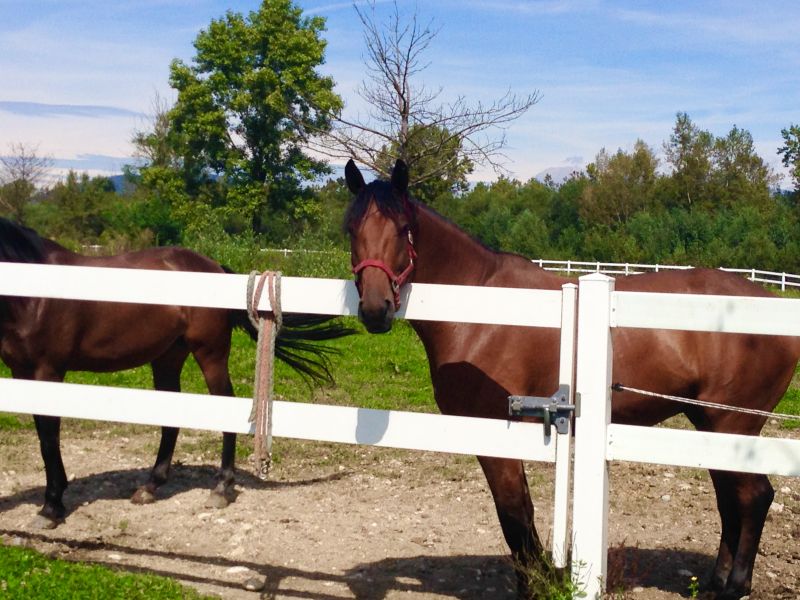
Types Of Equine Fences
Different fencing options are available to suit various needs and preferences for horse safety and containment.
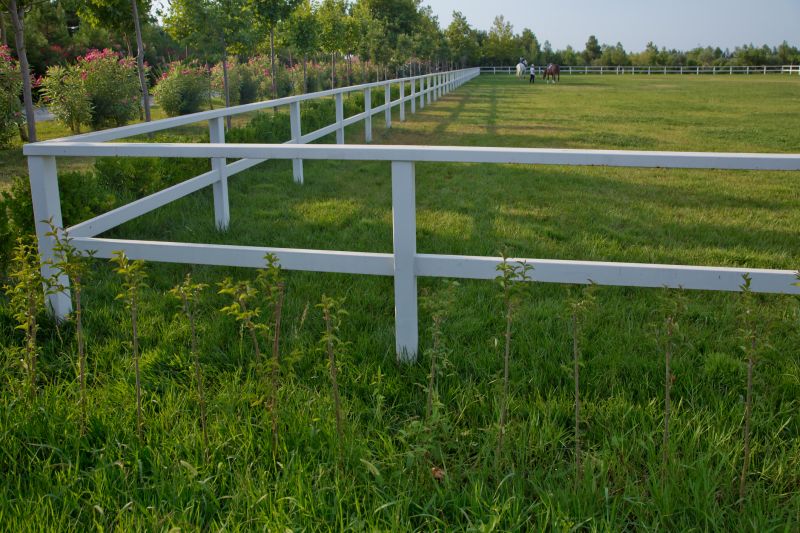
Design Considerations
Proper fence height, material choice, and layout are essential for secure and durable equine enclosures.
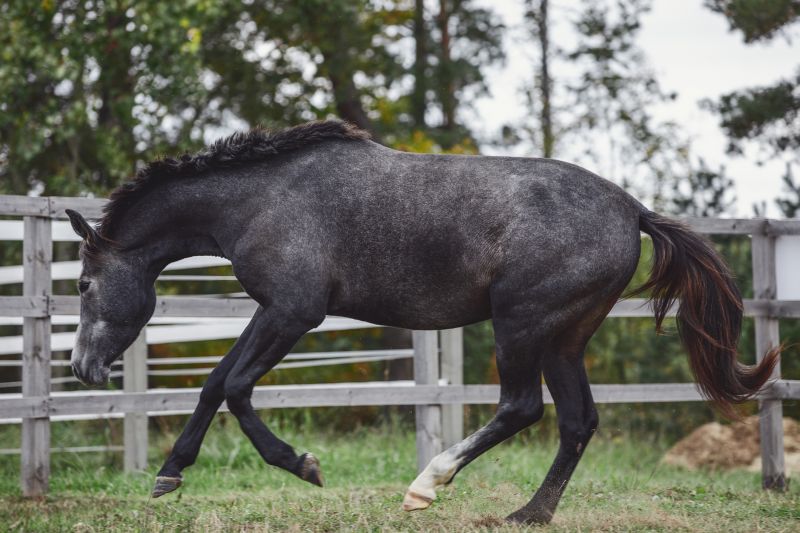
Installation Tips
Professional installation ensures the fence is built to withstand weather and prevent horses from escaping or injuring themselves.
Equine Fence Installation in Pearland, TX
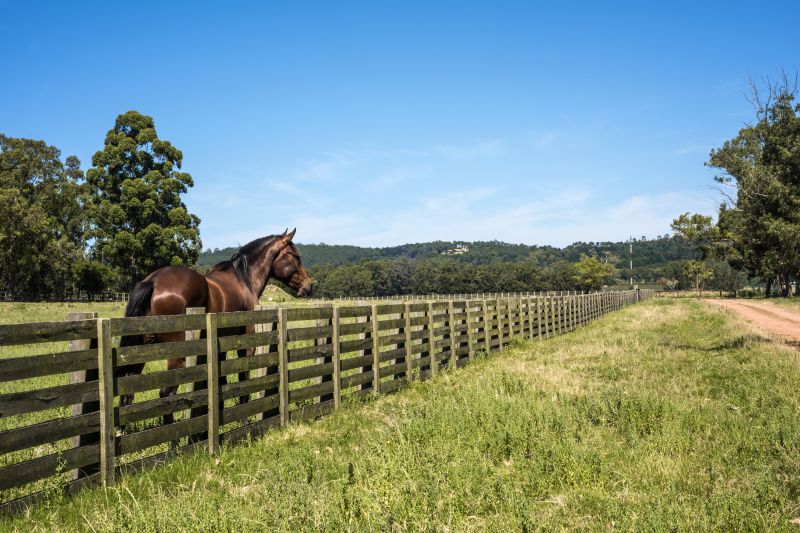
Equine fence installation services involve constructing secure and durable enclosures designed specifically for horses and other livestock. These projects typically include installing fencing around pastures, riding arenas, or property boundaries to ensure animals are safely contained while allowing for proper ventilation and visibility. Property owners may choose from various fencing materials such as wood, vinyl, or wire, depending on their needs, aesthetic preferences, and the terrain of their land. Understanding the different types of fencing options, their maintenance requirements, and how they fit with the property's layout can help homeowners make informed decisions before requesting installation services.
Before requesting equine fencing, property owners often want to know about the durability and safety features of different fencing materials, as well as the best practices for installation to prevent animals from escaping or injuring themselves. It’s also helpful to consider the size and shape of the area to be enclosed, as well as any local regulations or property restrictions that might influence the fencing design. Clear information about the scope of the project, including the type of fencing preferred and the property's characteristics, can assist in planning an effective and long-lasting enclosure for horses and livestock.
Many property owners in Pearland, TX look into Equine Fence Installation for repairs, replacements, upgrades, and appearance-related improvements.
Common Equine Fence Installation Jobs
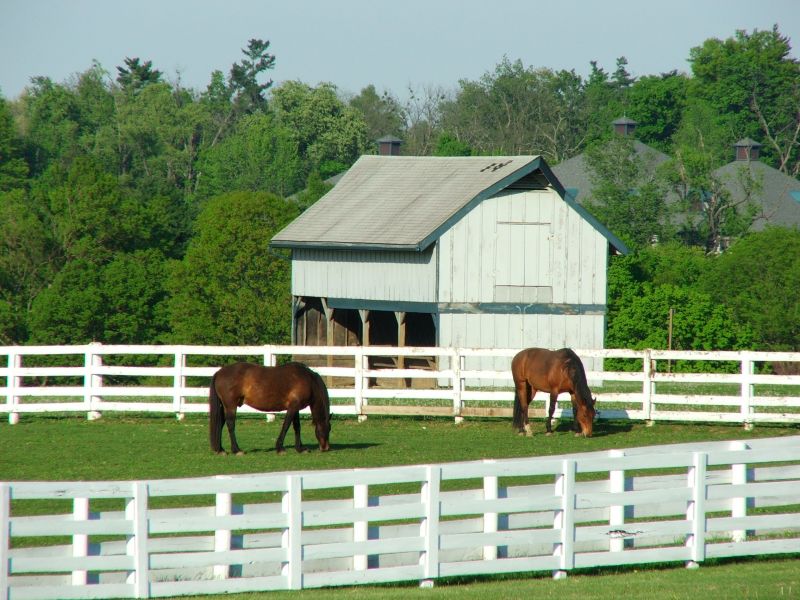
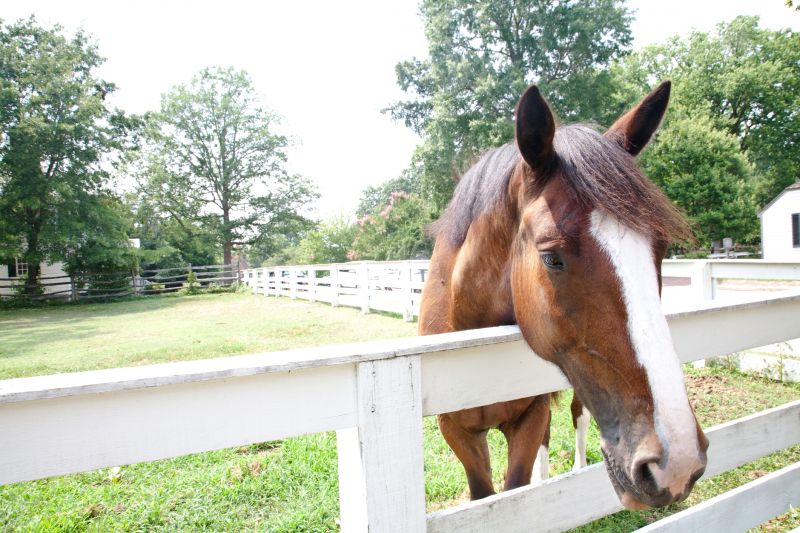
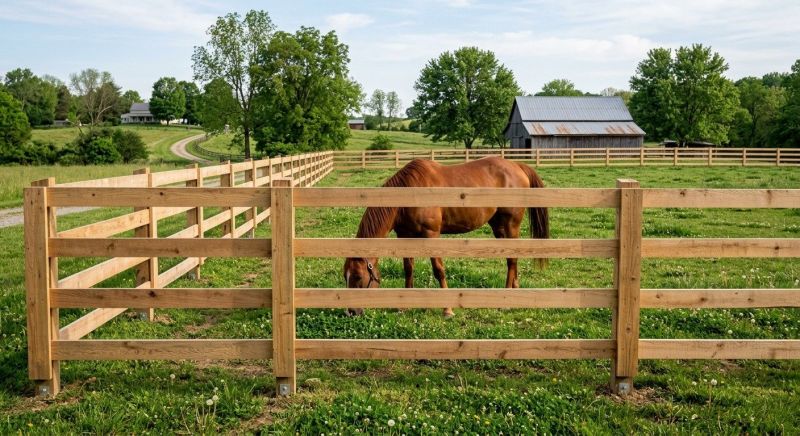
Wooden fences - ideal for creating a traditional and natural boundary around pastures.
Vinyl fences - provide a durable, low-maintenance option for secure enclosures.
Electric fences - effective for containing horses and managing grazing areas.
Pipe fences - sturdy choice for high-traffic or high-security horse enclosures.
Board fences - offer a classic look with added strength for horse safety.
Mesh fences - suitable for keeping smaller animals contained and preventing escapes.
Equine Fence Installation Questions
What types of fencing are suitable for equine properties? Common options include wood, vinyl, and wire fences, each providing different levels of visibility and security for horses.
How high should an equine fence be? Typically, fences are recommended to be at least 4 to 5 feet tall to prevent horses from jumping over.
What factors influence fence durability for horses? Weather conditions, fence material quality, and proper installation all contribute to the longevity of equine fencing.
Are there specific design features to consider for horse safety? Smooth, non-slip surfaces and rounded edges help reduce injury risks for horses in fenced areas.
Request Equine Fence Installation in Pearland, TX
Use the quote form on this page to share the basics of your project and request more information for the type of work you need.